Industrial air purifier | Effective industrial fine dust removal

We care about clean air

solutions for indoor air quality

Quick to: advice and product

Buying an industrial air purifier, does it really work against fine dust?

You can remove fine dust with an industrial air cleaner. The industrial sector emits a lot of fine dust due to the many combustion processes. This is very harmful to the people who work, for example, in a production area or warehouse with an indoor office. Read more about the air purifier in the industry and find out what it really does.

Fine dust in the industrial sector, how does that arise?

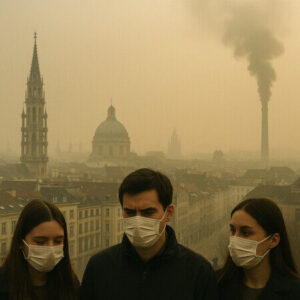
Research shows that the industrial sector still has a large share in the total fine dust emissions in the Netherlands. In production halls, industrial fine dust is created during certain activities. Think of the stone, wood and metal processing industry. This causes damage to the indoor environment and workers are being exposed to this form of air pollution. Long-term exposure to fine dust in industry causes complaints.

Do you work in a dusty environment yourself? Then pay attention!

You should be aware of how harmful fine dust actually is in the industry. After inhalation, particles smaller than 0.01 millimeters enter deep into the lungs and directly into the blood. According to the Heart Foundation, this may lead to:

  • Respiratory complaints: breathlessness, cough and asthma (read more about air purifiers for asthma).
  • Higher risk of a heart attack
  • Worsening of arteriosclerosis
  • Increase in blood pressure

In general, the more industrial fine dust in the air, the worse the complaints are. Air purification in industry is therefore essential. An industrial air purifier in the workplace solves this problem.

How can an air purifier in the industry remove fine dust?

It’s important to know that not all industrial air purifiers remove fine dust. Only an industrial air purifier with a HEPA filter will do that. Such a filter is simply a sieve consisting of cardboard and glass fibers. The big plus of HEPA filters is that they remove even smaller particles from the air than normal filters (including fine dust). This makes them even more effective and hygienic than normal filters.

What is the best air purifier for in the industrial sector?

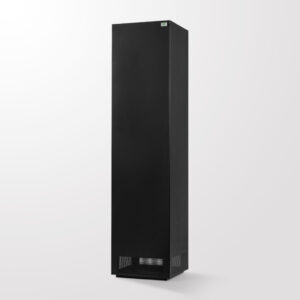
In our view, an industrial air purifier or air purification system must meet a number of conditions. First, it must be suitable for large spaces, and second, it must be able to remove fine dust effectively. An air purifier for a large room with a HEPA filter, the EDC650, is the ideal choice. The air purifier experiences in the industrial sector als.o back this up.

The EDC650 is specially made for the removal of fine dust. It also stands out for its effectiveness and high capacity. It removes up to no less than 99.99% fine dust from the air thanks to its unique air circulation. The tests also prove this to be true. There is not a more effective method against industrial fine dust. The industrial air purifier also cleans around 650 cubic meters per hour, more than enough to keep industrial spaces healthy and clean.

Why you want to go for clean air in your industrial space

Clean, healthy air in your room … everyone wants that, right? However, it cannot be taken for granted. With an industrial air purifier you can achieve a healthy indoor climate. The advantages? First of all, clean air protects your employees against various viruses, bacteria and contaminants. The result of this is less absenteeism. Second, healthy air ensures higher productivity. This has been shown in research. These two advantages make a big positive difference in daily practice.

Do you need some advice or more information?

View our product page with air purifiers or read more about the air purifier in our extensive advice. Do you have any further questions or would you like some free personal advice? Call +31 20 6464028 or go directly to our range of air purifiers:

    Contact with AXP


    Remove fine dust from the air at school with an air purifier

    We care about clean air

    solutions for indoor air quality

    Quick to: advice and product

    How do you remove fine dust from the air in schools?

    Fine dust at school, it’s a problem that many educational institutions in the Netherlands have to deal with. These invisible dust particles cause a lot of damage to young children. Schools in the Netherlands who are placed near the highway or a busy road have been warned for the fine dust problems.

    The consequences of a high concentration of fine dust in a school building, playgroup, primary school, classroom, secondary school, college, university or canteen are often incalculable. Find out what you can do about it in this blog. For example, does an air purifier help at school?

    How does fine dust form in schools?

    The fine dust in schools is a form of air pollution that is invisible to the naked eye. It consists of particles smaller than 10 micrometers of different size, origin and chemical composition. Schools are often spoken of negatively in the news for their poor air quality and unhealthy indoor environment.

    A high concentration of fine dust at school often has various causes. Most of it comes in from the outside, mainly caused by exhaust fumes, tires and brakes from cars and aircraft, and emissions from the industrial sector. For that reason, schools close to a highway, busy road, airport and industrial site are very vulnerable to air pollution. However, fine dust particles are also caused in a school itself. For example, machines such as printers and shredders also emit the invisible dust particles. Besides all that even microplastics in clothing can cause unhealthy indoor air.

    Fine dust and the health risks for young children

    These invisible dust particles are even more harmful to young children than to adults. This is because children breathe faster than adults, with the result that they inhale more air and therefore more fine dust. Many unhealthy dust particles also hang close to the ground. And since kids are so little.. it’s a serious problem.

    According to the Dutch Lung Fund, long-term exposure to fine dust can cause illnesses such as asthma, bronchitis and COPD in children. Read more about air purifiers for asthma. But the health problems caused by fine dust are not only respiratory problems. Research also indicates that when pregnant women come into contact with fine dust, it can be seen in the development of the brains of their babies. For example in their children’s face and there is an increased risk of ADHD and learning disabilities.

    These are shocking research conclusions and point out the importance of protecting our children from air pollution. Could an air purifier improve the air quality at school?

    Schools in the Netherlands are also facing a fine dust crisis

    Fine dust at school is an increasingly well-known problem in the Netherlands. For example, a recent study by the Groene Amsterdammer shows that many schools in Amsterdam are exposed to air pollution for a long time now. However, these “fine dust schools” in Amsterdam have promised to take measures.

    Is it possible to measure fine dust at school?

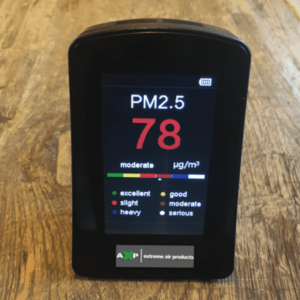
    The best method to measure the concentration of fine dust at school is with a professional fine dust meter. This device measures the concentration by means of laser scattering technology. You can easily read on the display how many dust particles are present in the air and whether this is desirable on the display. Due to its mobility, a fine dust meter can be taken anywhere.

    Remove fine dust from your classroom or school with an air purifier

    You take action when the fine dust concentration is too high. This is best done with an air purifier for areas such as a school building, playgroup, secondary school, college, university, classroom, canteen or other space in education.

    The EDC650 is the ideal choice to protect these types of buildings. This air purifier is specially designed to extract and remove fine dust from the air. With the best tested technology, the EDC650 removes fine dust from the air with an effectiveness of 99.99%. There is not a more effective method to remove fine dust than with an air purifier. Read more about the EDC650 on the product page.

    Do you need some advice or more information?

    View our product page with air purifiers or read more about the air purifier in our extensive advice. Do you have any further questions or would you like some free personal advice? Call +31 20 6464028 or go directly to our range of air purifiers:

      Contact with AXP


      Preventing allergies due to fine dust, you can do that with an air purifier

      We care about clean air

      solutions for indoor air quality

      Quick to: advice and product

      How to fight allergic reactions caused by fine dust?

      A fine dust allergy is a hypersensitivity to tiny particles in the air (up to 10 micrometers). If you suffer from allergic reactions caused by fine dust, you know how disruptive they can be. That’s why removing fine dust from indoor air with a fine dust air purifier is essential for maintaining a healthy home environment.

      Read on to discover the most common fine dust allergy symptoms. Are you allergic to fine dust? With the right air purifier for fine dust and allergies, you can breathe freely again and reduce your symptoms effectively.

      Growing awareness about fine dust control and health risks

      You may have noticed it: fine dust appears more and more often in the news. Politics has long been debating the introduction of a new fine dust standard, while the trade union FNV even set up a fine dust reporting point for Schiphol employees. People are becoming increasingly aware of how dangerous fine dust is for their health. As a result, the demand for fine dust protection and effective air purifiers against fine dust continues to rise.


      Fine dust indoors vs. outdoors: where does it come from and how to tackle it?

      Fine dust is not only present outdoors in the air, but also indoors at home and in offices. Many people think only traffic and industry cause pollution, but just as much fine dust is created indoors.
      Outdoor sources of fine dust:

      • Traffic and exhaust gases
      • Industry and power plants
      • Wood stoves and fireplaces
      • Agriculture and pollen

      Indoor sources of fine dust:

      • Cooking and frying (especially gas stoves)
      • Candles and incense
      • Smoking indoors
      • Pets (hair, dander)
      • Dust build-up on furniture and floors

      Since we spend 80–90% of our time indoors, fine dust inside plays a much bigger role in our health than most people realize. A high-quality air purifier with HEPA filter continuously removes these particles and ensures healthy air quality—even when windows and doors remain closed.

      air purifier fine dust

      PM10, PM2.5 and ultrafine dust: what’s the difference?

      Not all fine dust particles are the same. They differ in size and in how they affect your health. The smaller the particle, the deeper it penetrates into your body.

      PM10

      • Particles smaller than 10 micrometers (µm).
      • Mostly stay in the nose and throat.
      • Cause symptoms such as sneezing, irritated eyes and coughing.

      PM2.5

      • Particles smaller than 2.5 micrometers.
      • Penetrate deeper into the lungs and reach the airways.
      • Increase the risk of respiratory problems and cardiovascular disease.

      Ultrafine dust (PM0.1)

      • Particles smaller than 0.1 micrometer.
      • Reach the alveoli and even enter the bloodstream.
      • Linked to inflammation, heart and lung diseases, and higher mortality risk with long-term exposure.

      A high-quality air purifier with HEPA filter removes almost all PM10 and PM2.5. For ultrafine dust, you need the best models, such as the EA30 or EDC650, which effectively filter even the smallest particles from the air.

      What are the symptoms?

      Lately, the fine dust problem has become very topical. First of all, because many people experience allergic symptoms, and second, because global awareness is growing. Fine dust does not only cause an allergic reaction, it can also make you sick. Vulnerable groups such as the elderly, lung and heart patients are more likely to suffer from all kinds of allergic reactions caused by fine dust. These are the most common symptoms of fine dust allergy disorders:

      • An irritated throat
      • Lots of coughing and sneezing
      • Shortness of breath
      • Headache, dizziness and nausea
      • Burning eyes
      EDC650 fine dust air purifier

      Eliminate fine dust allergy complaints with an air purifier

      An air purifier, the remedy for all your fine dust complaints

      Using an air purifier is the best way to treat your fine dust complaints at home. This is because they work with a HEPA filter. Extreme Air Products HEPA filters remove fine dust and other air pollution with an effectiveness of 99.99%.

      The experiences from people with fine dust allergies, show that removing fine dust from the air cannot be more effective than that. With an air purifier in your home, you breathe in the healthiest and cleanest air. You will notice that your fine dust allergy complaints disappear in no time!

      air purifier for fine dust

      How does an air purifier remove fine dust?

      An air purifier for fine dust improves indoor air quality by capturing even the smallest particles that circulate in your home. Using smart airflow and multi-stage filtration, it keeps your air clean and healthy all day long. The process happens in several stages:
      1. Air intake and circulation
      The air purifier draws in polluted air and pushes it through a series of filters. The air keeps circulating, ensuring it’s completely purified multiple times per hour.

      2. HEPA filter technology
      The HEPA filter is the heart of every high-quality air purifier. It captures 99.97% of all particles as small as 0.3 microns — including pollen, dust, smoke, and even ultrafine particles.

      3. Activated carbon layer for odours and gases
      Many models also feature an activated carbon filter. This layer removes unpleasant odors as well as harmful gases such as VOCs (volatile organic compounds).

      4. Clean air back into the room
      After filtration, the purifier releases the fully cleaned air back into the room. This continuous cycle significantly improves air quality and reduces allergy symptoms.


      What is the best air purifier for allergic complaints?

      Have you decided to take on that pesky allergy? In that case the EA30 air purifier is the best choice for at home. This requires little maintenance and, in addition to being very quiet, is also energy-efficient. For professional fine dust allergy treatment at work in the office, the EDC650 air purifier is the best buy. The EDC650 has a high air capacity, which means it cleans on a large scale. Perfect for larger spaces.


      How do allergic reactions from fine dust arise?

      The smaller the fine dust particles, the deeper they penetrate into your lungs and body. The tiniest particles can even enter the bloodstream, causing various health complaints.

      For a long time, it was believed that fine dust only caused health problems after long-term exposure. However, new fine dust allergy research from Japan shows that even short-term exposure to fine dust can have negative health effects.

      Practical tips to reduce fine dust besides using an air purifier

      An air purifier effectively removes fine dust particles from the air, but you can reduce exposure even more with a few simple measures. This way, you lower the amount of fine dust in your home before it even reaches the filters.
      1. Ventilate at the right time
      Open windows and doors when outdoor air is clean, for example early in the morning or after rainfall. Keep them closed during heavy traffic or when wood smoke is nearby.
      2. Avoid indoor sources of fine dust

      • Minimize candles and incense.
      • Completely avoid smoking indoors.
      • Reduce cooking on gas; use a cooker hood that vents outside.

      3. Vacuum with a HEPA vacuum cleaner
      Choose a vacuum with a HEPA filter. It captures small particles that would normally return to the air.
      4. Choose smooth, easy-to-clean surfaces
      Smooth floors, washable curtains, and hard-surface furniture retain less dust than carpets and heavy fabric upholstery.
      5. Maintain heating and ventilation systems
      Replace ventilation and air conditioning filters regularly to prevent fine dust build-up and recirculation.


      Conclusion: recognizing, understanding and combating fine dust

      Fine dust is becoming an increasing threat to our health. By understanding where fine dust comes from, what symptoms it causes, and how to remove it effectively, you protect yourself and your family from harmful effects.
      A high-quality air purifier with HEPA filter not only removes fine dust particles, but also allergens, smoke and unpleasant odours. Combine this with simple measures such as ventilating at the right time and reducing indoor pollution sources to create a truly healthy indoor climate.

      Do you need some advice or more information?

      View our product page with air purifiers or read more about the air purifier in our extensive advice. Do you have any further questions or would you like some free personal advice? Call +31 20 6464028 or go directly to our range of air purifiers:

        Contact with AXP


        Fine dust from tires: a bigger problem than asbestos?

        We care about clean air

        solutions for indoor air quality

        Quick to: advice and product

        Fine dust from car tires and brakes.. a bigger problem than we think!

        Car tires and brakes emit more than half of all fine dust in Europe. An enormous number, and very bad for the environment. Fine dust from tires ends up in the river and the sea. The question is whether tire wear fine dust also causes health problems. And can we do something about it ourselves. For instance, is it possible to remove tire wear fine dust from the air with an air purifier?

        What is tire wear fine dust?

        Fine dust from car tires can best be described as small particles consisting of heavy metals, water, carbon, and a wide variety of organic substances. They arise because your car tires rub against the road surface while driving.

        Car tires emit a lot of fine dust. Recent research by Emission Analytics shows that tire wear causes up to 1000 (!) Times more fine dust than modern combustion engines.

        Health problems caused by fine dust from car tires

        Tire wear fine dust not only causes environmental damage, it also has damaging effects on your health. The fine dust from car tires ends up in your airflow and that is not good for your wellbeing. Long-term exposure to fine dust leads to lung complaints, heart complaints and has also been linked to diseases such as Parkinson’s and Alzheimer’s.

        In addition to fine dust, tire wear also releases microplastic into the air. Microplastic from tire wear is also very harmful to your airways.

        You can measure fine dust in your car with a fine dust meter

        Will fine dust follow the example of the asbestos crisis?

        In the 1980s there was a lot to do about asbestos. People became aware of how unhealthy it was and complained to the government. Finally, in 1993, asbestos was banned for processing and storage.

        It is only a matter of time before a national fine dust crisis erupts. The first signs are already there: in December 2019, the FNV trade union set up a fine dust complaints point for Schiphol employees. In a week, more than four hundred (!) Reports were made. Since then, the Dutch Cabinet has been working on a new fine dust standard. Will the past repeat itself?

        How do you protect yourself from tire wear fine dust in the air?

        There are a number of effective ways to protect yourself against tire wear fine dust. Do you live close to a highway or in a big city? Then we recommend that you use an air purifier at home. These purifiers remove fine dust from car tires from the air using a HEPA filter. Extreme Air Products’ anti-tire wear air purifiers have a filter effectiveness of 99.99%. The EDC650 air purifier is the best buy in this category.

        You can also protect yourself against fine dust in your car and on the street. In the car, for example, by adding a HEPA filter in the ventilation system. And outside on the street with a HEPA filter mouth mask.

        Your electric car is not the solution against fine dust from tires

        ‘The positive effects of your electric car on air quality are overestimated.’, is what the Volkskrant writes. This has everything to do with the fact that electric cars (EVs) are on average 25% heavier than cars with a combustion engine. For this reason, tires from EVs wear out faster. This leads to more tire wear and fine dust emissions. EVs do score better in the field of fine dust from brakes. It’s lower than petrol cars, as EVs mainly use the engine to slow down.

        What does the government say about car tire wear?

        The Dutch government does not yet have an action plan to combat fine dust from car tires, unlike the British government. In July last year, they already announced that they were going to take measures against car tire emissions. The British want to realize these measures by making new tire standards and requirements.

        The UK government is also calling on the industry to develop an emissions measurement for car tire wear. In the future, this should lead to a new international standard for tire and brake wear.

        What can you do yourself against fine dust emissions from tires?

        Limit the fine dust emissions of your car by driving economically. Practical tips that Environmental Center (source) gives include:

        • Shift to a higher gear as early as possible
        • Drive at a constant speed as much as possible
        • Rather drive 100 than 130 km per hour

        Need advice or more information?

        By measuring fine dust, you gain insight into the air quality of your environment. You also determine the effectiveness of your air purifier. View our product page about the fine dust meter or read more about the fine dust meter in our extensive advice. Do you have any further questions or would you like free personal advice? Call +31 20 6464028 or go directly to our range of fine dust meters:

          Contact with AXP


          Microplastic air purifier, why protection is necessary

          We care about clean air

          solutions for indoor air quality

          Want to buy a good air purifier quickly?
          Go to: product and contact

          Do we have to protect ourselves against fine dust from microplastic?

          According to new research, we eat, drink and breathe microplastics and this is harmful to your health. No wonder that the need for fine dust protection from plastic is increasing. Does an air purifier work against these microplastics? Removing microplastic fine dust from the air can be done in various ways. According to some, an air purifier is the best choice. But is protection actually necessary? Read more about it here.

          What is microplastic?

          Everyone knows what plastic is, but microplastic is not as well known. When we talk about microplastics, we mean plastic particles smaller than 5 millimeters. You can find them everywhere. It is in your water, in the air and on the ground. They are even present in your tea or toothpaste. Did you know that a plastic tea bag leaves 11.6 billion microplastic pieces in a cup?

          It’s logical that we want to get rid of fine dust from plastic. Using an air purifier against microplastic. How much will it actually help? We will discuss the effectiveness of this later.

          Does a microplastic fine dust air purifier offer a solution?

          How does microplastic particulate matter get into the air?

          Many of your care products contain tiny plastic particles. You should think of peels, shampoos and cosmetics. Microplastics from car tires and some types of clothing are also found in the air.

          Car tire wear in particular is a major source of plastic ultra-fine dust. A study by the RIVM already showed in 2012 (!) that about 900 tons of tire wear fine dust was emitted into the air. Given the increase in the number of cars on the road, we can assume that these emissions have only increased.

          Do you want to know exactly what is in your products? This is possible with the app from The Plastic Soup Foundation.

          Microplastic research is causing concern

          Not much research has yet been done on microplastics. That’s because it was long believed to be harmless. With new research we now get a better picture, which include the consequences of microplastic.

          A study of the link between textiles and microplastic leads to alarming conclusions. It turns out that microplastic from clothing penetrates deep into the lungs of textile workers, with potentially dangerous infections as a result. The link between microplastic fine dust and allergies or increased irritation of the respiratory system has already been proven (Gasperi 2018).

          The harmful effects of microplastic fine dust

          We won’t die from contact with microplastic after one time. Long-term exposure to this in our indoor climate(for instance at the office or at home), on the other hand, is very unhealthy and can cause serious health problems.

          Little research has yet been conducted into the harmful health effects of plastic ultra-fine dust particles, but what is known to us now, is of great concern to us.

          We know that your immune cells are vulnerable to microplastic. These cells recognise plastic fine dust particles and then try to attack them. Only problem is that the immune cells themselves die from doing this.
          Plastic in the lungs is also very harmful, because human lung tissue does not grow in the presence of microplastic. This is shown by laboratory research at UMC Utrecht.

          Clean, healthy air is extremely important to us. We plead for action against this emerging plastic assassin. Could this be possible with an air purifier to get rid of these microplastics?

          Get rid of plastic microplastic fine dust with an air purifier

          You will find numerous methods on the internet to remove microplastic dust. However, the only proven effective method is to use a good air purifier. It’s important that the microplastic air purifier contains a HEPA filter.

          The EA30 air purifier is such an air purifier. With its unbeatable technique, it removes all air pollution for 99.99%, including microplastics. In companies and offices, the EDC650 air purifier is the best anti-microplastic air purifier.

          Air purifiers keep your space clean and healthy without having to look after it. It’s ideal for at home or at the office. Certain groups have an added advantage in removing microplastic from the air. Such as people with a lung disease, dust allergy or asthma. (Read more about air purifiers for asthma). Treat yourself to a healthy and clean space and buy an air purifier against these microplastics.

          Also an innocent looking tea bag contains many microplastic particles

          Need advice or more information?

          Take a look at our product page with air purifiers. Do you have any further questions or would you like some free personal advice? Call +31 20 6464028 or go directly to our range of air purifiers:

            Contact with AXP


            Pellet stove fine dust, is it dangerous?

            We care about clean air

            solutions for indoor air quality

            Fine dust from a pellet stove, is it dangerous?

            A pellet stove is a sustainable way to heat a room. But make no mistake, because the truth is that a pellet stove also emits a lot of pollution. In addition, pellet stove fine dust is dangerous for your health. Especially if you live in a city or close to a highway or airport. The question is to what extent a pellet stove is unhealthy in the home.

            blog 22

            What does a pellet stove do?

            Winter is approaching and in the Netherlands the stoves are turned on on a large-scale again. That means a period is coming with a lot of fine dust in the air. A pellet stove heats up a room by burning wood pellets. Fine dust particles are released during this process. The ignition pattern in the stove causes the wood pellets to burn, because it creates a flame. The heat from the flame rises and is blown into the room thanks to a fan.

            How much fine dust does it emit?

            Pellet stove experiences show that they are cleaner than wood stoves. Wood stoves emit about 3.5 kilograms of fine dust per 1000 hours, while for pellet stoves that’s “only” 0.68 kilograms. A pellet stove is therefore more environmental friendly than a wood stove, but they still emit more ultra-fine dust than heating on gas or electricity. Pellet stove ultrafine dust is a risk for vulnerable groups. Think of people with bronchitis, asthma and lung complaints.

            What health complaints does fine dust from a pellet stove give?

            With occasional use you do not have to worry immediately. If you use a pellet stove as the main heating, this will lead to potential health problems in the long term. People with allergies are especially at risk.

            Various authorities have been warning people for the health risks of fine dust for years. According to the Long Fonds (source), an increased concentration of ultra-fine particles at home leads to the following complaints:

            • Fatigue
            • Shortness of breath
            • Infections of the respiratory system
            • Lung diseases such as asthma (read more about air purifiers for asthma)

            How can you protect yourself against pellet stove fine dust?

            We do not recommend a separate fine dust filter for your pellet stove, because the filter effectiveness is often disappointing. So what is a good way to remove fine dust from a pellet stove in the house? We recommend the use of a pellet stove fine dust air purifier.

            Air purifiers are very effective in removing fine dust. They also remove other air pollution from the air, such as pollen, bacteria and viruses. With an air purifier you live and breathe in the most optimal indoor air. We recommend the EA30 air purifier for living rooms with pellet stoves. This top pellet stove air purifier has a patented filter technique that removes fine dust with an effectiveness of 99.99%.

            Thanks to its sleek design, the EA30 will fit in well with your interior

            Do you want to measure the fine dust emissions from your pellet stove?

            According to the Dutch Lung Fund (Longfonds), the air quality in 1 in 7 houses is insufficient due to fine dust. By measuring the fine dust emission from your pellet stove, you gain insight into the air quality in your environment. You also determine the effectiveness of your air purifier. View our product page about the fine dust meter or read more about the fine dust meter in our extensive advice. Do you have any further questions or would you like some personal free advice? Call +31 20 6464028 or go directly to our range of fine dust meters:

              Contact with AXP


              Fine dust and the Working Conditions Act, what do you need to know?

              We care about clean air

              solutions for indoor air quality

              Ultra fine dust and the Working Conditions Act, what do you need to know?

              In the workplace, ultra fine dust is very harmful and even deadly in the long run. Therefore , the problem requires a strict ultra-fine dust occupational health and safety law. The working conditions provide clear guidelines for a healthy working environment. The Dutch Lung Fund (Longfonds) has been warning people for years about the dangers of ultra-fine dust. The risks are particularly high in densely populated areas such as the Randstad and Schiphol. Read on for more information about the health and safety regulations for ultrafine dust. What can we expect in 2026 and the future?

              The current status of the ultra fine dust health and safety regulations

              We have to conclude that there are still no health and safety regulations for ultra fine dust. The government has not taken any concrete step yet to frame this problem. RIVM, on the other hand, is working intensively on it, see also the ultrafine dust research at Schiphol. However, the ultra-fine dust research results are not expected until 2021. For the time being, entrepreneurs must therefore determine their own ultra-fine dust standards on the basis of their own knowledge and experience.

              Although there is not yet an occupational health and safety law for ultrafine dust, you can say that any form of ultrafine dust, caused by production processes and transport, is undesirable in the ambient air. Long-term exposure to dangerous ultra-fine dust, in the workplace in particular, creates many health risks.

              Which complaints arise with long-term exposure to ultra-fine dust?

              Ultra-fine dust is the cause of various health complaints. Risk groups such as the elderly, children with asthma and people with allergies are particularly vulnerable. The following complaints have been scientifically proven:

              • Shortness of breath
              • Coughing
              • Wheezing
              • Lung complaints
              • Heart complaints

              The following diseases have not yet been scientifically proven, but are related to ultra-fine dust:

              • Parkinson’s
              • Dementia

              Fine dust regulations in 2026, what can we expect in the future?

              Awareness around ultrafine particles has increased significantly in recent years, both within the government and among institutions such as the RIVM and the WHO. In December 2024, the revised EU Air Quality Directive (AAQD) officially entered into force, making the monitoring of ultrafine particles mandatory for EU member states for the first time. In addition, the limit values for PM2.5 will be more than halved in the coming years, moving closer to the WHO guideline value of 5–10 µg/m³.

              Need advice or more information?

              According to the Dutch Lung Fund (Longfonds), the air quality in 1 in 7 buildings is insufficient due to fine dust. By measuring fine dust levels you gain insight into the air quality of your environment. You also determine the effectiveness of your air purifier. Take a look at our product page about the fine dust meter or read more about the fine dust meter in our extensive advice. Do you have any further questions or would you like some free personal advice? Call +31 20 6464028 or go directly to our range of fine dust meters:

                Contact with AXP


                The best air purifier for allergies

                We care about clean air

                solutions for indoor air quality

                Quick to: advice and product

                Air purifier for allergies and hay fever – does it work and what is the best choice?

                The EA30 from AXP is the best air purifier for allergies and hay fever, according to a recent test by the well-known and independent institute Intertek. Experts praised the device for its quiet operation and high filter efficiency. In addition, the EA30 is AHAM certified, meaning it meets the strictest international quality and performance standards.


                How does an air purifier help against allergies?

                An allergy air purifier, such as the EA30, filters and removes polluted and contaminated indoor air. This significantly reduces allergy symptoms like watery eyes, irritated airways, and itching. With a high-quality allergy purifier, you can enjoy a healthier indoor climate and lasting relief from hay fever and other allergic reactions.

                Experiences with allergy air purifiers show that people report fewer allergy symptoms after installing one.

                Benefits of an allergy air purifier

                An allergy air purifier offers much more than just relief from symptoms. By continuously removing harmful particles and allergens from the air, it creates a healthier and more comfortable living environment. The main benefits include:

                • Fewer allergy symptoms: Sneezing, watery eyes, and breathing problems are noticeably reduced.
                • Cleaner indoor air: Dust, pet dander, mold spores, and fine particles are filtered out.
                • Better sleep quality: Lower pollen levels in the bedroom prevent nighttime discomfort.
                • Fresher-smelling home: Unpleasant odors from pets or cooking are eliminated.
                • A healthier indoor climate for everyone: Not just for allergy sufferers, but also for children, the elderly, and even pets.

                Thanks to these advantages, an allergy air purifier directly contributes to more comfort, better health, and a higher quality of life indoors.


                What are the most common indoor allergies?

                Indoor allergies affect millions of people and can make everyday life uncomfortable. The most common allergies at home include dust mite allergy, hay fever, dust allergy, pollen allergy, and pet allergy. Many families have at least one member who reacts to pet dander, dust, or seasonal pollen that enters the house.
                People suffering from allergies often experience:

                • Breathing difficulties or shortness of breath
                • Trouble concentrating during the day
                • Irritated or inflamed airways
                • Recurring headaches
                • Watery or itchy eyes
                • A blocked or stuffy nose

                By understanding the most common allergens in the home and their symptoms, you can take the right steps to create a healthier indoor environment and reduce allergy triggers.


                The EA30 air purifier – best buy for allergy relief

                If you want to get rid of allergy symptoms quickly, the EA30 air purifier is the best choice. It features a unique HEPA filter with 99.97% efficiency and closed ionization – meaning ionization without any ozone emission. Once in use, the EA30 removes all unhealthy and polluting particles from your indoor air.
                This purifier can clean rooms up to 60 m², making it ideal for living rooms, bedrooms, and offices. On top of that, the EA30 is extremely energy-efficient.
                User experiences with allergy air purifiers confirm that people report fewer symptoms after installing the EA30.


                How does the EA30 work?

                The EA30 air purifier tackles household allergens directly and effectively. It filters out pet hair, dander, pollen, and dust mites from the air. In addition, the EA30 also removes unpleasant odors, such as litter box smells or animal cage odors, leaving your home air fresher and more pleasant.
                Thanks to its patented closed ionization technology, which produces no ozone emissions, the EA30 is completely safe for children and sensitive individuals, while improving the overall health of everyone in the home.
                Using the EA30 is simple: just place the purifier in the right spot, plug it in, and select your preferred setting. From that moment on, the EA30 continuously and reliably cleans your indoor air.
                The result? Fewer allergens in your home, a fresher environment, and noticeably reduced allergy symptoms for the whole family.
                 

                allergy symptoms


                How do air purifiers help against hay fever?

                Air purifiers play a crucial role in reducing pollen indoors thanks to their advanced filtration technology. They act as powerful guardians of air quality and create an effective barrier against allergens.
                Many users report a noticeable reduction in hay fever symptoms such as sneezing, itchy eyes, and a blocked nose after regular use.


                Which type of filter is best for air purifiers against hay fever?

                HEPA filters (High-Efficiency Particulate Air) are specially designed to capture microscopic particles, including pollen. With an efficiency of 99.97% for particles as small as 0.3 microns, they filter pollen out of the air with exceptional effectiveness.
                The dense fiber network traps allergens while allowing only clean, fresh air to pass through. Air purifiers equipped with a HEPA filter significantly reduce pollen exposure, helping to relieve hay fever symptoms and improve indoor comfort.


                How to get the most out of an air purifier during hay fever season

                To maximize the effectiveness of your air purifier against hay fever, follow these practical tips:

                1. Place it correctly: Position the air purifier where it can work best.
                2. Use it in the room where you spend the most time: For many people, that’s the bedroom, ensuring cleaner air while you sleep.
                3. Ensure unobstructed airflow: Keep the purifier’s air circulation free from furniture or other obstacles.
                4. Keep doors and windows closed: During hay fever season, this limits the inflow of pollen and helps the purifier maintain a clean indoor environment.
                5. Run it continuously: Let the purifier operate non-stop, especially during peak pollen season. Modern devices are highly energy-efficient, so continuous use won’t significantly impact your electricity bill.

                With these steps, your air purifier will work at its full potential, helping you enjoy cleaner indoor air and fewer hay fever symptoms.
                By using your air purifier correctly, you’ll enjoy cleaner indoor air and fewer hay fever symptoms, even when pollen levels outdoors are high.


                What to look for when buying an air purifier for allergies

                A quality allergy air purifier (for hay fever, pollen, or pet dander) should meet a few important requirements:

                • HEPA filter: A powerful HEPA filter captures even the smallest particles (down to 0.3 microns), including cat hair, dog hair, and bird dust. It also helps protect pets that are sensitive to pollen and dust mites.
                • Placement: For optimal air circulation, position the purifier at breathing height, such as on a table or cabinet.
                • Capacity: Choose a model with a maximum coverage area at least 35% larger than the room where you plan to use it.


                rhinitus allergy


                How quickly do you notice a difference with an allergy air purifier?

                Many people wonder how long it takes before an air purifier starts working. In most cases, you’ll notice cleaner indoor air within just a few hours. Allergens such as pollen and dust mites gradually disappear as soon as the purifier runs continuously. For the best results, let the device run day and night, especially during hay fever season or if you have pets at home.


                Maintenance and lifespan of your allergy air purifier

                An air purifier only performs optimally when the filters are kept clean and in good condition. On average, the HEPA filter should be replaced every 6 to 12 months, depending on usage and the air quality in your home. In cases of intensive use — such as during the pollen season or in a household with pets — the filter should be replaced sooner. Regular maintenance not only ensures continuously healthy indoor air but also extends the lifespan of your air purifier, providing reliable allergy relief over the long term.


                Extra tips to reduce allergens at home

                An allergy air purifier removes a large portion of allergens, but you can achieve even better results by combining it with a few simple measures:

                • Wash bedding weekly at a minimum of 60°C to kill dust mites.
                • Keep windows closed on days with high pollen counts.
                • Vacuum with a HEPA-filter vacuum cleaner to capture fine dust and allergens.
                • Avoid carpets or choose easy-to-clean flooring instead.

                Together with a powerful air purifier like the EA30, these steps help you create an almost allergen-free living environment.

                Need advice or more information?

                Take a look at our product page with air purifiers or read more about the air purifier in our extensive advice. Do you have any further questions or would you like some free personal advice? Call +31 20 6464028 or go directly to our range of air purifiers:

                  Contact with AXP


                  What is the ultrafine dust standard in the Netherlands?

                  We care about clean air

                  solutions for indoor air quality

                  What is the ultrafine dust standard in the Netherlands?

                  People are becoming more aware of how dangerous ultrafine dust particles are for your health. It’s like an assassin that makes many people sick who live and work in busy areas with a lot of industry, highways and traffic. Ultrafine dust increases the risk of high blood pressure, heart problems and lung cancer. This is shown by ultrafine dust research by the Health Council. You can read about the research in this blog.

                  With a PM meter (fine dust meter) you can measure how much fine dust is in the air. However, you may ask yourself from what concentration ultrafine dust particles are dangerous to your health and whether a fine dust standard or an ultrafine dust standard has been drawn up in the Netherlands. We did some investigating on these matters.

                  What is the difference between fine dust and ultrafine dust?

                  We include all particles in the air smaller than 10 micrometers (10 µm) as fine dust. When we measure fine dust, it’s often abbreviated to PM(particulate matter aka fine dust). The two main sizes are PM10 and PM2.5. PM10 has a size of up to 10 µm and PM2.5 has a size of up to 2.5 µm.

                  Particles smaller than 0.1 µm are referred to as ultrafine particles. Ultrafine dust particles are the most dangerous to our health. When inhaled, these tiny particles penetrate the lungs and are absorbed directly into the bloodstream.

                  Is there an official ultrafine dust standard?

                  No official standards have been drawn up for ultrafine dust yet. In September 2019, the Dutch Cabinet urged the Health Council to investigate and draw up an ultrafine dust standard. Because around 11,000 people in the Netherlands die prematurely each year as a result of exposure to (ultra)fine dust. However, it’s still not clear when the investigation will officially start or end.

                  However, a fine dust standard has been drawn up for PM10 and PM2.5. The RIVM has determined that 40 µg / m³ is the annual average limit value for PM10. For PM2.5 this is 20 µg / m3.

                  Is it possible to measure ultrafine dust?

                  According to RIVM, measuring extremely small particles is very difficult because it’s hard to detect a particle with a size of a few nanometers. A so-called Condensation Particle Counter can measure ultrafine dust particles, but they are a bit out of reach for the average consumer since the devices cost several thousand euros.

                  A more affordable option is using a fine dust meter. You can measure fine dust particles PM2.5 and PM10 with it. When the concentrations of these values exceed the norm, you can assume that the concentration of ultrafine dust is also unhealthy.

                  Investigations into the measurement of ultrafine dust

                  As you know, all dust particles below 0.1 micron are ultrafine dust particles. Ultrafine dust particles are measured by scientists in nanometers. 0.1 micrometers is 100 nanometers. So all particles below 100 nanometers (nm) are considered ultrafine dust particles.

                  There are some studies that have measured ultrafine dust concentrations in cities. Such as a study from the National Technical University of Athens. Between 2003 and 2004, they measured the ultrafine dust concentration at various locations in Athens. The highest outdoor measurements were found in the air at two schools, both of which were located and affected by a busy road. In the first school, 36,900 ultrafine dust particles per cm3 in the air were detected and in the second school 38800 ultrafine dust particles per cm3. According to the ultrafine dust research, the results provide insight into the concentration level to which children can be exposed.

                  The morning rush hour is the most unhealthy time of the day

                  The University of Helsinki studied the air quality in their city between 1999 and 2003. The research team concluded that the air in the city is dirtier in winter than in summer. The highest concentrations of ultrafine dust were detected during busy traffic hours. The average peak concentration during the morning rush hour was no less than 40,000 per cm3 in the city. Most of the traffic-induced ultrafine dust particles were smaller than 50 nm. Particles below 10 nm were also detected. In their research, the Finns warn about the health effects of such small particles.

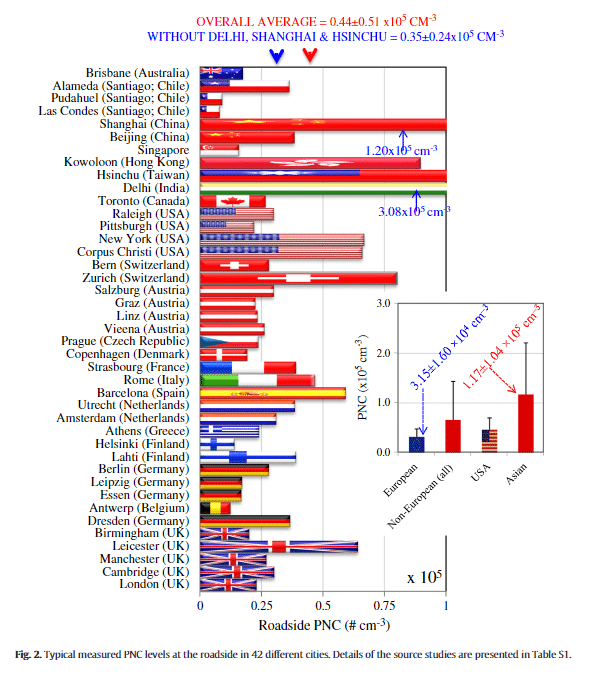
                  A more recent study from Environment International in 2014 examined the ultrafine dust levels along the road in 42 different cities. The farther from a road was measured, the less ultrafine dust particles in the air were detected. The highest concentration of ultrafine dust particles was measured in a busy car tunnel. The research shows that the air along a road in a European city contains an average of 16,000 to 31,500 ultrafine dust particles per cm3.

                  Source chart: Ultrafine dust research

                  Environment International’s research made a chart with the average measured ultrafine dust particles (3 to 25 nm) per cm3 in different cities. PNC means particle numbers count, in other words: how many ultrafine dust particles have been counted. The chart shows that along the roads in Amsterdam there are on average around 3000 ultrafine dust particles per cm3. This is a high figure compared to the average European city. We can therefore assume that Amsterdam is relatively unhealthy in the field of ultrafine dust particles.

                  Need advice or more information?

                  According to The Dutch Lung Fund(Longfonds), the air quality in 1 in 7 houses is insufficient due to fine dust. By measuring fine dust you can gain insight into the air quality of your environment. You also determine the effectiveness of your air purifier. View our product page about the fine dust meter or read more about the fine dust meter in our extensive advice. Do you have any further questions or would you like some free personal advice? Call +31 20 6464028 or go directly to our range of fine dust meters:

                    Contact with AXP


                    Air purifier for the living room, what do you pay attention to?

                    We care about clean air

                    solutions for indoor air quality

                    Quick to: product

                    Need an air purifier for the living room? Pay attention to the following when buying one.

                    The living room is a place where people spend a lot of time. Breakfast with the family, a movie on the couch in the evening .. recognisable? However, what most people don’t know is that the air quality in living rooms is often moderate to poor which can cause potential health problems for residents as a result. Buying a living room air purifier is a good choice, because it ensures clean and healthy air and it protects people with allergies.

                    Are you looking for a living room air purifier? Then pay attention to the following points before you buy one.

                    What should you pay attention to when buying an air purifier for the living room?

                    Have you decided to buy a living room air purifier? Then of course you want the best buy. However, there are a number of things to be aware of. Such as, for example, the noise level and the placement of the device. Read all about it below.

                    1. The size of the living room

                    A living room air purifier is only effective up to a certain number of square meters. So make sure you know how big your living room is. And also how much space your air purifier can cover in total.

                    2. The noise level

                    Another important factor when choosing an air purifier for in the living room is the noise level. One person doesn’t mind some background noise, while the other wants the room to be absolutely quiet. So look at the number of decibels of the air purifier and estimate whether this is satisfactory. Make sure to buy it with excess capacity so the device doesn’t have to run at maximum speed.

                    3. The type of filter

                    There are different types of filters. You have replaceable, but also permanent filters. Our air purifiers work with a HEPA filter. This filter is extremely effective against air pollution. In addition, this filter removes the smallest particles from the air, including fine dust and mold spores.

                    4. Energy consumption

                    Energy consumption is a factor to take into account. Especially since an air purifier placed in a living room will run for many hours. It’s best to leave the air purifier constantly running to keep the air circulation going. An energy-friendly device is therefore recommended.

                    5. Placement in the living room

                    Finally, the placement of the air purifier in the living room is also important. An air purifier should be placed in the breathing zone. Here it works best against very small particles such as ultrafine dust. If you place an air purifier on the floor, it will have little or no effect. It is best to place it on a wall.

                    The best air purifier for the living room, which model do you need?

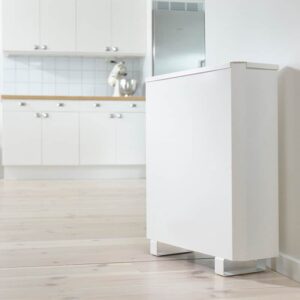
                    We recommend the EA30 air purifier (see photo). The capacity of this device is large enough for every living room and it is also very quiet. The EA30 works with the patented AIH HEPA technology, which removes all minute particles (fine dust, viruses, bacteria, etc.). Besides this, maintenance of the EA30 is only required once every six months.

                    The beautiful EA30 living room air purifier

                    What causes poor air quality in the living room?

                    Humans are often the cause of an unhealthy living room climate. People pollute the air by cooking, smoking, lighting candles and the fireplace, among other things. This creates fine dust for instance. Fine dust is a dangerous form of air pollution. Pollen, allergens and viruses also create an unhealthy indoor climate. Fortunately, a living room air purifier offers a solution!

                    What are the consequences of a bad living room climate?

                    Unhealthy air in the living room has adverse health consequences. Although most complaints are of a mild nature, in some cases serious complaints occur. People with allergies or lung problems are especially vulnerable to this. The most common complaints of a bad indoor climate are:

                    • Fatigue
                    • Dizziness
                    • Rash
                    • Coughing
                    • Shortness of breath
                    • Infections in the lungs
                    • Decrease in lung condition

                    Need advice or more information?

                    View our product page with air purifiers or read more about the air purifier in our extensive advice. Do you have any further questions or would you like some free personal advice? Call +31 20 6464028 or go directly to our range of air purifiers:

                      Contact with AXP