


We care about clean air
solutions for indoor air quality
Quick to: advice and product
How to fight allergic reactions caused by fine dust?
A fine dust allergy is a hypersensitivity to tiny particles in the air (up to 10 micrometers). If you suffer from allergic reactions caused by fine dust, you know how disruptive they can be. That’s why removing fine dust from indoor air with a fine dust air purifier is essential for maintaining a healthy home environment.
Read on to discover the most common fine dust allergy symptoms. Are you allergic to fine dust? With the right air purifier for fine dust and allergies, you can breathe freely again and reduce your symptoms effectively.
Growing awareness about fine dust control and health risks
You may have noticed it: fine dust appears more and more often in the news. Politics has long been debating the introduction of a new fine dust standard, while the trade union FNV even set up a fine dust reporting point for Schiphol employees. People are becoming increasingly aware of how dangerous fine dust is for their health. As a result, the demand for fine dust protection and effective air purifiers against fine dust continues to rise.
Fine dust indoors vs. outdoors: where does it come from and how to tackle it?
Fine dust is not only present outdoors in the air, but also indoors at home and in offices. Many people think only traffic and industry cause pollution, but just as much fine dust is created indoors.
Outdoor sources of fine dust:
- Traffic and exhaust gases
- Industry and power plants
- Wood stoves and fireplaces
- Agriculture and pollen
Indoor sources of fine dust:
- Cooking and frying (especially gas stoves)
- Candles and incense
- Smoking indoors
- Pets (hair, dander)
- Dust build-up on furniture and floors
Since we spend 80–90% of our time indoors, fine dust inside plays a much bigger role in our health than most people realize. A high-quality air purifier with HEPA filter continuously removes these particles and ensures healthy air quality—even when windows and doors remain closed.

PM10, PM2.5 and ultrafine dust: what’s the difference?
Not all fine dust particles are the same. They differ in size and in how they affect your health. The smaller the particle, the deeper it penetrates into your body.
PM10
- Particles smaller than 10 micrometers (µm).
- Mostly stay in the nose and throat.
- Cause symptoms such as sneezing, irritated eyes and coughing.
PM2.5
- Particles smaller than 2.5 micrometers.
- Penetrate deeper into the lungs and reach the airways.
- Increase the risk of respiratory problems and cardiovascular disease.
Ultrafine dust (PM0.1)
- Particles smaller than 0.1 micrometer.
- Reach the alveoli and even enter the bloodstream.
- Linked to inflammation, heart and lung diseases, and higher mortality risk with long-term exposure.
A high-quality air purifier with HEPA filter removes almost all PM10 and PM2.5. For ultrafine dust, you need the best models, such as the EA30 or EDC650, which effectively filter even the smallest particles from the air.
What are the symptoms?
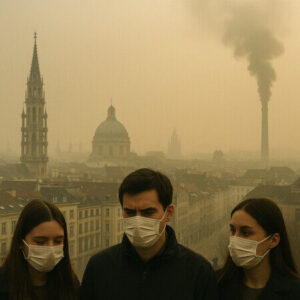
Lately, the fine dust problem has become very topical. First of all, because many people experience allergic symptoms, and second, because global awareness is growing. Fine dust does not only cause an allergic reaction, it can also make you sick. Vulnerable groups such as the elderly, lung and heart patients are more likely to suffer from all kinds of allergic reactions caused by fine dust. These are the most common symptoms of fine dust allergy disorders:
- An irritated throat
- Lots of coughing and sneezing
- Shortness of breath
- Headache, dizziness and nausea
- Burning eyes
Eliminate fine dust allergy complaints with an air purifier
An air purifier, the remedy for all your fine dust complaints
Using an air purifier is the best way to treat your fine dust complaints at home. This is because they work with a HEPA filter. Extreme Air Products HEPA filters remove fine dust and other air pollution with an effectiveness of 99.99%.
The experiences from people with fine dust allergies, show that removing fine dust from the air cannot be more effective than that. With an air purifier in your home, you breathe in the healthiest and cleanest air. You will notice that your fine dust allergy complaints disappear in no time!
How does an air purifier remove fine dust?
An air purifier for fine dust improves indoor air quality by capturing even the smallest particles that circulate in your home. Using smart airflow and multi-stage filtration, it keeps your air clean and healthy all day long. The process happens in several stages:
1. Air intake and circulation
The air purifier draws in polluted air and pushes it through a series of filters. The air keeps circulating, ensuring it’s completely purified multiple times per hour.
2. HEPA filter technology
The HEPA filter is the heart of every high-quality air purifier. It captures 99.97% of all particles as small as 0.3 microns — including pollen, dust, smoke, and even ultrafine particles.
3. Activated carbon layer for odours and gases
Many models also feature an activated carbon filter. This layer removes unpleasant odors as well as harmful gases such as VOCs (volatile organic compounds).
4. Clean air back into the room
After filtration, the purifier releases the fully cleaned air back into the room. This continuous cycle significantly improves air quality and reduces allergy symptoms.
What is the best air purifier for allergic complaints?
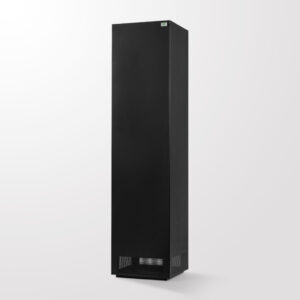
Have you decided to take on that pesky allergy? In that case the EA30 air purifier is the best choice for at home. This requires little maintenance and, in addition to being very quiet, is also energy-efficient. For professional fine dust allergy treatment at work in the office, the EDC650 air purifier is the best buy. The EDC650 has a high air capacity, which means it cleans on a large scale. Perfect for larger spaces.
How do allergic reactions from fine dust arise?
The smaller the fine dust particles, the deeper they penetrate into your lungs and body. The tiniest particles can even enter the bloodstream, causing various health complaints.
For a long time, it was believed that fine dust only caused health problems after long-term exposure. However, new fine dust allergy research from Japan shows that even short-term exposure to fine dust can have negative health effects.

Practical tips to reduce fine dust besides using an air purifier
An air purifier effectively removes fine dust particles from the air, but you can reduce exposure even more with a few simple measures. This way, you lower the amount of fine dust in your home before it even reaches the filters.
1. Ventilate at the right time
Open windows and doors when outdoor air is clean, for example early in the morning or after rainfall. Keep them closed during heavy traffic or when wood smoke is nearby.
2. Avoid indoor sources of fine dust
- Minimize candles and incense.
- Completely avoid smoking indoors.
- Reduce cooking on gas; use a cooker hood that vents outside.
3. Vacuum with a HEPA vacuum cleaner
Choose a vacuum with a HEPA filter. It captures small particles that would normally return to the air.
4. Choose smooth, easy-to-clean surfaces
Smooth floors, washable curtains, and hard-surface furniture retain less dust than carpets and heavy fabric upholstery.
5. Maintain heating and ventilation systems
Replace ventilation and air conditioning filters regularly to prevent fine dust build-up and recirculation.
Conclusion: recognizing, understanding and combating fine dust
Fine dust is becoming an increasing threat to our health. By understanding where fine dust comes from, what symptoms it causes, and how to remove it effectively, you protect yourself and your family from harmful effects.
A high-quality air purifier with HEPA filter not only removes fine dust particles, but also allergens, smoke and unpleasant odours. Combine this with simple measures such as ventilating at the right time and reducing indoor pollution sources to create a truly healthy indoor climate.
Do you need some advice or more information?
View our product page with air purifiers or read more about the air purifier in our extensive advice. Do you have any further questions or would you like some free personal advice? Call +31 20 6464028 or go directly to our range of air purifiers:

Follow us
